

Simon Ceglinski from PowerPlus Energy sat down with industry veteran Nigel Morris to discuss the reasons behind his latest battery installation, why he chose the Whispr over other options in a market full of battery rebates and choices, and how the system has been performing since installation.
Q: Why did you choose Whispr over other brands?
Nigel: Honestly, even working in the industry, it wasn’t a straightforward decision. There are a lot of solid options out there, all with their own pros and cons. In the end, though, I kept coming back to four key attributes that mattered most to me.
Q: What was it that stood out about the Whispr?
All-in-one Design
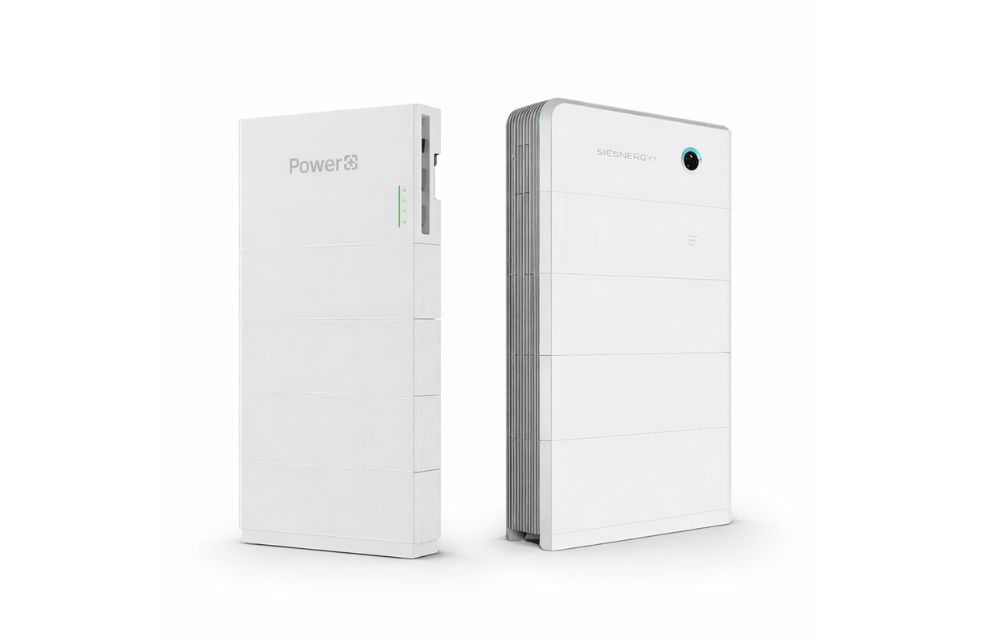
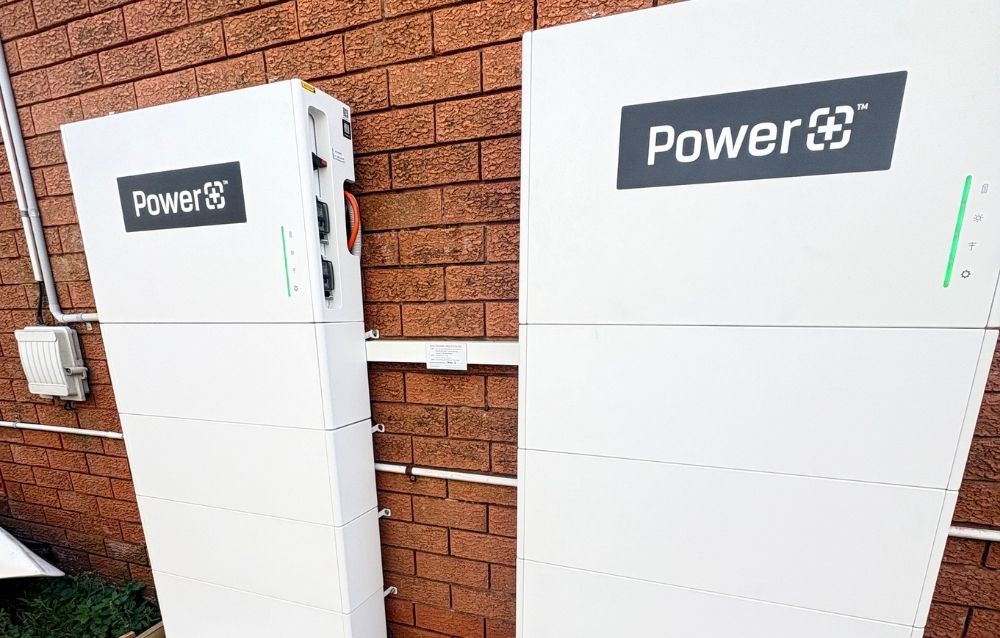
Nigel: The all-in-one design, without a doubt. I really liked the idea of having everything integrated into a single unit. It keeps the installation simpler and looks much cleaner, there was no need to mount a bunch of separate components on the wall, just one compact stack sitting neatly on a concrete plinth.
It’s also quite slim, which worked well for my setup. My system is installed down the side of the house, so I didn’t want anything bulky getting in the way. It sits under the eaves, which gives it some natural protection from the weather, and I added a shade and rain hood just to be safe.
I’ve also got to say, the look and overall form factor really stood out. It’s a clean, modern unit that doesn’t feel out of place at a home. I had a few friends over recently and ended up showing it off, everyone’s reaction was the same: “that looks awesome, where do we get one?”
Simon: Yeah, we’ve seen all-in-one systems gain a lot of traction in the residential market. Alongside PowerPlus Energy, there are systems like SigEnergy SigenStore and Fronius Reserva that show just how popular integrated, simple solutions have become. It’s a competitive space, but that shift toward simplicity is very real and it’s exactly why we’ve focused on that approach as well.
Local Development and Support.
Nigel: Exactly. Simplicity is a big part of it, but for me, the next factor was local development and support. There are plenty of imported all-in-one batteries now, and a lot of them are good but not all are developed and supported locally.
I really wanted to back an Australian company that’s putting in the effort to build and deliver battery solutions here. Supporting local jobs and innovation matters to me. And on a practical level, it also gives me more confidence, I know the team behind it is dedicated and really knows their stuff.
On top of that, having everything supported by a single company is a big plus. If something ever goes wrong, I’m not chasing multiple suppliers it’s just one phone call, which is pretty reassuring.
Q: How did features influence your decision?
Nigel: Features were critical. A few things stood out:
- The solid aluminium construction looks good and feels robust, which is important since I live near the coast.
- The wiring entry points and access to breakers and controls made the installation easy and fast according to my installer, particularly important since I added two Whispr’s in parallel. Installing, configuring and wiring them was straightforward…
- I really like that this unit can operate on-grid or off-grid. It provides versatility, blackout protection, and could even be used at a future off-grid home I’m planning.
Q: You mentioned simplicity as a key factor. Can you go into a little more detail?
Nigel: Simplicity ultimately sealed the deal. Our household has relatively high-power consumption, and it was very easy to parallel two units. They are fully independent but synchronise seamlessly, allowing me to expand in the future if needed.
A critical benefit was the ability to split my solar across each of the two battery/inverter stacks. I have a north-facing and a south-facing solar array, each feeding a separate inverter. This simplified wiring and gave plenty of individual power point trackers to optimise panels facing different directions.
Q: How has the system been performing since installation?
Nigel: Since November, it’s been great, I’ve only bought grid energy once for an hour after many days of bad weather while hosting guests.
I initially wondered if 26kWh was overkill, but living with it (using around 30–40kWh per day), it’s spot on… hopefully something that comes through in the next iteration from PowerPlus Energy.
Conclusion
For anyone considering a solar battery upgrade, Nigel’s experience shows why the Whispr is a standout choice. With its true all-in-one design, local support, versatile features, and simplicity, it delivers reliable performance and peace of mind. Nigel’s system has proven great since installation, even under heavy usage, making it a compelling option for both homeowners and industry veterans.
While there are small areas for refinement, particularly around advanced app functionality and documentation detail these represent opportunities for continued evolution rather than limitations, reinforcing the platform’s strong foundation.
If you’re looking to future-proof your solar setup while supporting Australian innovation, it’s worth taking a closer look at the Whispr, just like Nigel did.